
Life After Graves’ Disease Treatment
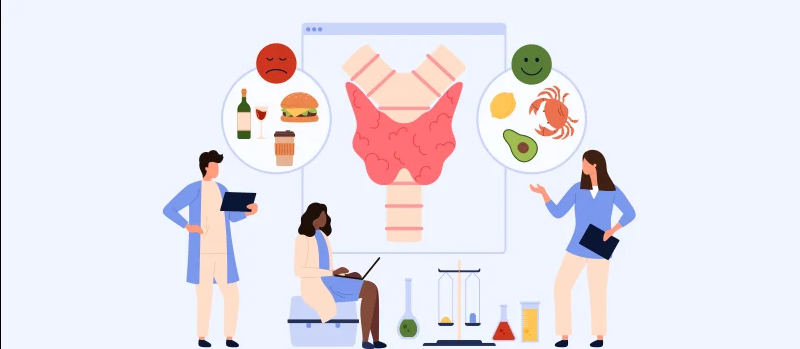
After treatment for Graves’ disease, the thyroid gland may sometimes become underactive (hypothyroidism). This happens because the body may no longer produce enough thyroid hormone naturally. In such cases, doctors prescribe levothyroxine, a synthetic thyroid hormone that replaces the missing hormone. The dose is carefully adjusted using TSH blood tests, usually checked 6–8 weeks after starting or changing medication. Maintaining balanced thyroid levels helps keep energy, metabolism, heart function, and mood stable. Healthy lifestyle habits such as balanced nutrition, portion control, regular exercise, and checking vitamin D levels also play an important role in maintaining overall wellbeing after Graves’ disease treatment.
Dr.Muhmmad Babar Imran
3/16/20261 min read
When a person with Graves disease is treated, it is common for the thyroid to become underactive (hypothyroid) afterward. This simply means the body is no longer producing enough thyroid hormone on its own. The treatment in this situation is replacement with levothyroxine (thyroxine), a synthetic form of the natural thyroid hormone. The dose is adjusted based on blood tests, especially TSH, which is usually checked 6–8 weeks after starting or changing the dose. The goal is to keep thyroid levels within the normal range so that energy, metabolism, heart function, and mood remain stable. It is important not to change the dose based only on symptoms; blood tests guide safe and accurate adjustment.
After treatment for Graves disease, some weight gain can occur because the body’s metabolism returns to normal from the previously overactive state. Maintaining a healthy weight requires balanced nutrition, portion control, and regular physical activity such as brisk walking or strength exercises several times per week. If there are complaints of muscle or joint pain, these may improve once thyroid levels are properly balanced. However, vitamin D deficiency, which is common, can also cause body aches and should be checked and treated if needed. If pain or fatigue persists despite normal thyroid levels, further evaluation by a doctor is recommended to rule out other causes and ensure appropriate management.
اگر کسی مریضہ کو Graves disease کا علاج کروانے کے بعد تھائیرائیڈ کمزور (ہائپو تھائیرائیڈ) ہو جائے تو یہ ایک عام بات ہے۔ اس کا مطلب یہ ہے کہ اب جسم خود سے مناسب مقدار میں تھائیرائیڈ ہارمون نہیں بنا رہا۔ ایسی صورت میں لیوو تھائروکسین (Levothyroxine) دی جاتی ہے جو قدرتی تھائیرائیڈ ہارمون کا متبادل ہے۔ اس دوا کی مقدار خون کے ٹیسٹ، خاص طور پر TSH کی بنیاد پر طے کی جاتی ہے، اور عموماً 6 سے 8 ہفتے بعد ٹیسٹ دوبارہ کیا جاتا ہے۔ دوا کی مقدار علامات کی بجائے لیبارٹری رپورٹ کے مطابق ایڈجسٹ کی جاتی ہے تاکہ ہارمون کی سطح نارمل رہے اور دل، توانائی اور میٹابولزم درست طریقے سے کام کرتے رہیں۔
علاج کے بعد وزن میں کچھ اضافہ ہو سکتا ہے کیونکہ پہلے جسم کا میٹابولزم تیز تھا اور اب نارمل ہو جاتا ہے۔ وزن کو قابو میں رکھنے کے لیے متوازن غذا، میٹھے اور زیادہ کیلوریز والی اشیاء سے پرہیز، اور باقاعدہ ورزش (جیسے تیز چہل قدمی یا ہلکی طاقت کی ورزش) مفید ہے۔ اگر جسم میں درد یا پٹھوں کی تکلیف ہو تو پہلے یہ دیکھا جاتا ہے کہ تھائیرائیڈ کی سطح درست ہے یا نہیں۔ وٹامن ڈی کی کمی بھی جسمانی درد کی عام وجہ ہے، اس لیے اس کا ٹیسٹ کروا کر ضرورت ہو تو علاج کرنا چاہیے۔ اگر نارمل تھائیرائیڈ لیول کے باوجود درد یا کمزوری برقرار رہے تو ڈاکٹر سے مزید مشورہ ضروری ہے۔

Contact
Get in touch for inquiries or appointments.
Connect
muhammadbabarimran@yahoo.com
03001551966
© 2025. All rights reserved. Dr.Muhammad Babar Imran